
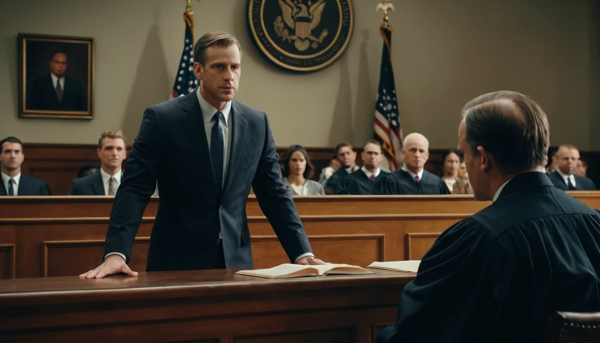

DWI lawsuit cases explain how injured victims or defendants seek justice, compensation, or defense after drunk driving incidents.
A DWI lawsuit is a legal action connected to drunk or impaired driving. It may involve criminal charges, civil injury claims, or both. These lawsuits aim to prove liability, recover damages, or defend rights after a DWI arrest or accident.
DWI Lawsuit Explained In Simple Terms 🚗⚖️
Have you ever wondered what really happens after a drunk driving arrest or accident? A DWI lawsuit can feel confusing, stressful, and overwhelming. But once you understand how it works, the process feels more manageable.
A DWI lawsuit usually involves legal action tied to impaired driving. It can be criminal, civil, or both. Criminal cases punish wrongdoing, while civil lawsuits focus on financial compensation. Each serves a different purpose but often overlaps.
This guide breaks it all down. You’ll learn what a DWI lawsuit means, who can file one, and what outcomes to expect.
What A DWI Lawsuit Actually Means 🧠
A DWI lawsuit refers to legal proceedings connected to driving while intoxicated. It can involve someone accused of drunk driving or a victim harmed by that driver. The meaning depends on the situation.
In criminal court, the state files charges against the driver. In civil court, an injured person may sue for damages. These cases often run at the same time.
Understanding the difference helps set expectations. Criminal cases focus on punishment. Civil lawsuits focus on compensation and accountability.
Understanding The Main Search Intent 🔍
Most people searching “DWI lawsuit” want clear answers fast. They want to know their rights, risks, and options. Some are defendants. Others are victims seeking justice.
The core intent is legal clarity. Readers want steps, outcomes, and timelines. They also want to know if money compensation is possible.
This article meets that need with simple language, real-world examples, and practical guidance.
Criminal Case Vs Civil DWI Lawsuit ⚖️
A criminal DWI case is filed by the state. It can lead to jail, fines, or license suspension. The goal is punishment and public safety.
A civil DWI lawsuit is filed by a private person. It seeks money for injuries, losses, or emotional harm. The burden of proof is lower.
Both cases can happen together. Winning or losing one does not automatically decide the other.
Who Can File A DWI Lawsuit 👥
Several parties may have the right to file a DWI lawsuit. It depends on who was harmed and how.
Common plaintiffs include:
- Injured drivers or passengers
- Pedestrians hit by a drunk driver
- Families in wrongful death cases
- Property owners with damage
Even passengers in the drunk driver’s car may file claims. Every situation is unique and fact-specific.
When A DWI Lawsuit Usually Happens ⏰
Timing matters in any lawsuit. A DWI civil case often begins after criminal charges are filed. Sometimes it starts after a conviction.
Statutes of limitation apply. These laws limit how long you have to file. Missing deadlines can end a case before it starts.
Quick legal action helps preserve evidence. It also improves the chance of a fair outcome.
Common Injuries In DWI Lawsuits 🚑
Drunk driving accidents often cause severe harm. Injuries may affect victims for life.
Typical injuries include:
- Traumatic brain injuries
- Spinal cord damage
- Broken bones
- Internal organ injuries
- Emotional trauma
Medical records play a major role. They help prove damages and long-term impact.
Damages You Can Recover In A DWI Lawsuit 💰
A civil DWI lawsuit focuses on compensation. Damages vary based on injury severity and financial loss.
Here’s a simple breakdown:
| Type Of Damage | What It Covers |
| Medical Expenses | Hospital, rehab, future care |
| Lost Income | Missed work and earning ability |
| Pain And Suffering | Physical and emotional distress |
| Property Damage | Vehicle or personal items |
In extreme cases, courts may award punitive damages. These punish reckless behavior and send a message.
How Fault Is Proven In A DWI Lawsuit 🧾
Proving fault is easier in DWI cases than normal accidents. Intoxication strongly supports negligence claims.
Evidence may include:
- Police reports
- Breath or blood test results
- Dashcam or bodycam footage
- Witness statements
A criminal conviction helps, but it’s not required. Civil courts use a lower proof standard.
Role Of Police Reports And BAC Tests 🚔
Police reports often form the backbone of a DWI lawsuit. They document observations, test results, and arrests.
BAC tests show intoxication levels. High results strongly support liability claims. Even refusal to test can be used in some cases.
Errors do happen. Defense teams may challenge procedures or equipment accuracy.
How Insurance Affects A DWI Lawsuit 📄
Insurance plays a major role in civil DWI cases. Most claims are paid through auto liability policies.
However, drunk driving may limit coverage. Some policies exclude intentional acts. This can complicate recovery.
Here’s how insurance typically applies:
| Situation | Insurance Impact |
| At-Fault Drunk Driver | Liability policy may pay |
| Severe Injuries | Policy limits may cap payout |
| No Coverage | Personal assets may be targeted |
An experienced lawyer can navigate these challenges.
Defending Against A DWI Lawsuit 🛡️
Not every DWI lawsuit favors the plaintiff. Defendants still have rights and defenses.
Common defense strategies include:
- Challenging test accuracy
- Questioning probable cause
- Disputing injury claims
- Arguing shared fault
Civil liability does not require guilt beyond doubt. But strong defenses can reduce damages significantly.
Settlement Vs Trial In DWI Cases ⚖️
Most DWI lawsuits settle before trial. Settlements save time, money, and stress.
Trials happen when parties disagree on fault or damages. They carry more risk but may yield higher awards.
Here’s a quick comparison:
| Option | Key Benefit | Main Risk |
| Settlement | Faster resolution | Lower payout |
| Trial | Potentially higher award | Uncertain outcome |
Legal advice helps decide the best path.
Wrongful Death DWI Lawsuits 🕊️
Some DWI cases involve fatal accidents. These are among the most serious lawsuits.
Families may recover damages for:
- Funeral costs
- Lost financial support
- Loss of companionship
Courts treat these cases with gravity. Punitive damages are more common here.
How Long A DWI Lawsuit Takes ⏳
There’s no fixed timeline. Some cases resolve in months. Others take years.
Factors affecting duration include:
- Injury severity
- Court schedules
- Insurance disputes
- Willingness to settle
Patience is often required. Rushing can reduce compensation.
Why Legal Guidance Matters 💡
DWI lawsuits involve complex rules and high stakes. Mistakes can be costly.
A skilled legal professional helps:
- Protect your rights
- Gather strong evidence
- Negotiate fair settlements
- Prepare for trial if needed
Even a short consultation can clarify options and risks.
Key Takeaways From A DWI Lawsuit 📝
A DWI lawsuit is more than a legal term. It’s a path to accountability, compensation, or defense. Understanding criminal versus civil actions is essential.
Victims may recover significant damages. Defendants still have rights and defenses. Timing, evidence, and strategy matter.
With the right knowledge, the process feels less intimidating and more manageable.

FAQs About DWI Lawsuits ❓
What Is A DWI Lawsuit In Simple Words?
A DWI lawsuit is a legal case related to drunk driving. It may involve punishment or compensation. The goal depends on whether it’s criminal or civil.
Can I Sue A Drunk Driver For Emotional Trauma?
Yes, emotional distress damages are possible. Courts consider mental suffering seriously. Medical proof strengthens the claim.
Does A DWI Conviction Guarantee A Civil Win?
No, but it helps a lot. Civil cases use lower proof standards. Liability is easier to show after conviction.
How Much Money Can A DWI Lawsuit Pay?
Payouts vary widely. Injury severity and insurance limits matter most. Some cases reach six or seven figures.
How Soon Should I Start A DWI Lawsuit?
As soon as possible. Deadlines apply in every state. Early action protects evidence and legal rights.